
By Don Leutz, Northern California Lake Tahoe Chapter
As a boat owner/operator, there are many responsibilities that need to be taken seriously in order to be a safe boater. Planning and preparation will go a long way to providing safe and enjoyable power boating.
Responsibility for the safety of the boat and everyone on board, as well as anyone that might be affected is that of the boat owner/operator. There are a few basic guidelines that should be kept in mind and followed in ensure everyone’s safety.
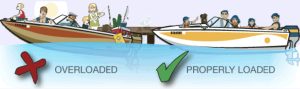
- Be sure to not exceed the maximum capacity of the boat. This capacity can usually be found on the Maximum Capacities plate or label. In many classic boats, however, there may not be a plate, or label, or it may be missing. A rough guide to the maximum capacity on a boat without a plate or label can be calculated by multiplying the length of the boat by the beam (width) in feet and divide by 15 to get a maximum number of people. For example, my boat is 19 feet in length times 6.8 feet Beam divided by 15 equals 8.6 passengers. However, my boat has seating for six and I would not put eight people aboard my boat. Remember you need to also account for the weight of any gear brought on board. Exceeding the weight or horse- power limits could result in capsizing or swamping of the vessel.
- To reduce the risk of falling overboard, brief all passengers to sit in designated seats, not on seatbacks, side decks, the bow or transom. Make sure your passengers maintain a secure grip on the boat, should they move around.
- Brief your passengers on the importance of keeping their hands and feet inside the boat. Identify safe and danger areas on your boat. Point out the locations of fire extinguishers. Life jackets, flares, first aid kits and bilge pumps. Explain to adult passengers how to put on life jackets in the case of an emergency. Make sure all children, under 13, wear Life Jackets at all times. Explain what to do with trash and how to operate the marine toilet, if so equipped. Let your passengers know what is expected of them when leaving or returning to dock and while the boat is underway or anchoring. Describe basic emergency procedures, such as how to use a Marine Radio, turn off the engine, what to do if someone falls overboard, or dangerous weather conditions occur.
- Avoid sudden changes in speed and direction while underway and try to give your passengers a warning when making a sudden maneuver so they don’t lose their balance or fall overboard.
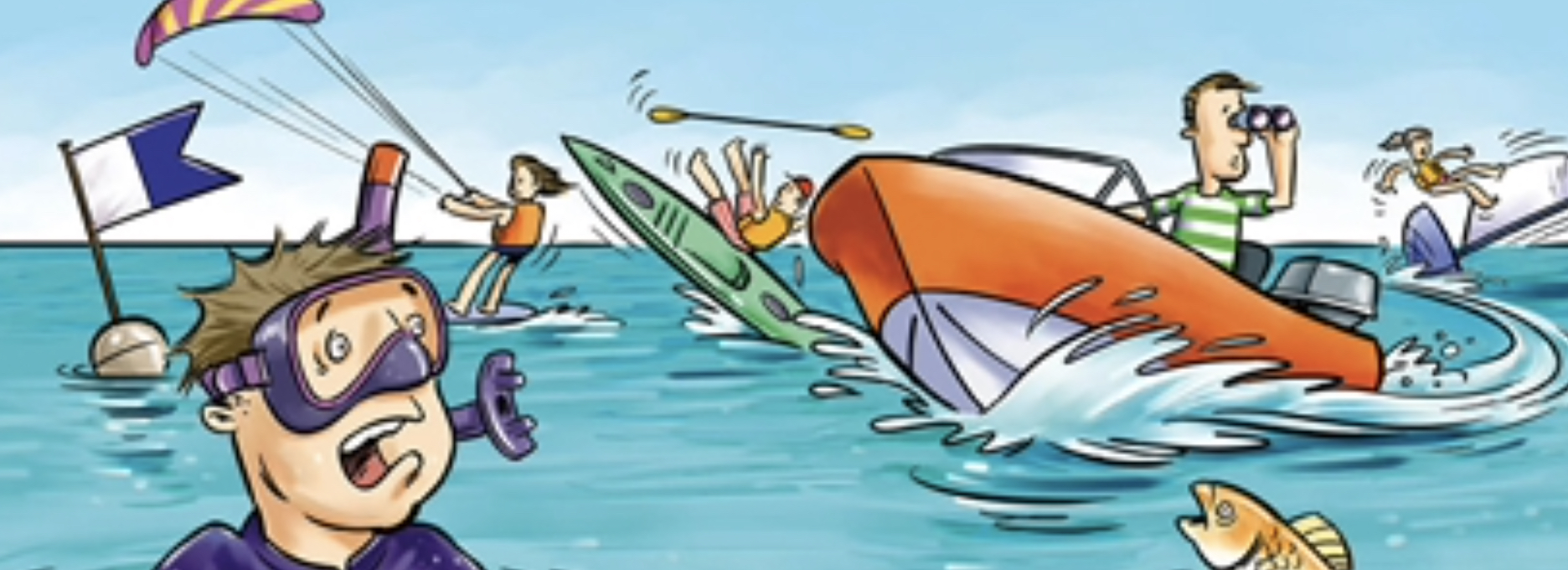
- Always maintain a proper lookout for other vessels, hazards, swimmers and divers. You can assign an experienced passenger as a lookout just in case.
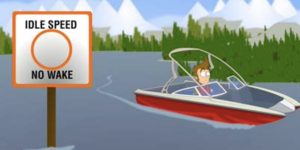
- Always observe proper speed limits, no-wake zones, and operate your boat in a safe manner.
- Know your boat’s performance capabilities and limitations and do not exceed them.
- Make sure to fill your boat with gas before leaving the dock and maintain a proper reserve so that you can return to dock safely.
- Check the weather before you leave the dock, be alert for any weather changes by checking for updates periodically on your VHF Marine Radio. If the weather deteriorates, be sure to head back to shore.
 Know the Navigation Rules and use them to avoid collisions. You are expected to comply with them or take seamanlike precautions. You are expected to be aware of dangerous situations. A departure from the Rules may be necessary to avoid immediate danger.
- Comply with Homeland Security measures. You must not approach within 300 feet (100 yards) of any U.S. Naval vessel and you must operate at minimum speed within 500 yards. If you must pass within 100 yards to ensure safe passage, you must contact the Naval Vessel or the Coast Guard on Channel 16 for proper permission.
- Avoid impeding the passage of tug and barge traffic and large vessels that can only navigate within a channel.
- You are responsible for any damage caused by your wake, so be considerate of others and minimize the ef- fect of your boat’s wake, especially near docks or ves- sels liable to capsize. Avoid disturbing the natural habitat of wildlife.
- Position the propeller away from anyone in the water. Or, preferably, turn off your engine until they are clear.
- On long cruises, it is a good idea to create a Navigation Plan and a Float Plan. Leave your Plan with a friend or relative ashore with detailed information on departure and arrival times, destination(s), boat name, names of people on board, type of radio and survival gear on board. When you return to dock, let your friend or relative know that you have returned safely. Tell your friend or relative to contact the Coast Guard should you not return on time.
- Be aware of the symptoms of Carbon Monoxide poisoning, especially if you are captaining a houseboat, cruiser, or pontoon/party boat.
By taking your Owner/Operator responsibilities seriously and following some simple procedures, you can ensure a safe boating experience for you and your passengers. For more information on Safe Boating, visit: www.uscgboating.org.
See you on the Water!
This story was originally printed in the summer 2018 issue of the Northern California Lake Tahoe chapter newsletter.
The only things you did not mention in this is heat and or sunstroke and how alcohol and water do not mix. Bsides those items missing great article and guidence.