
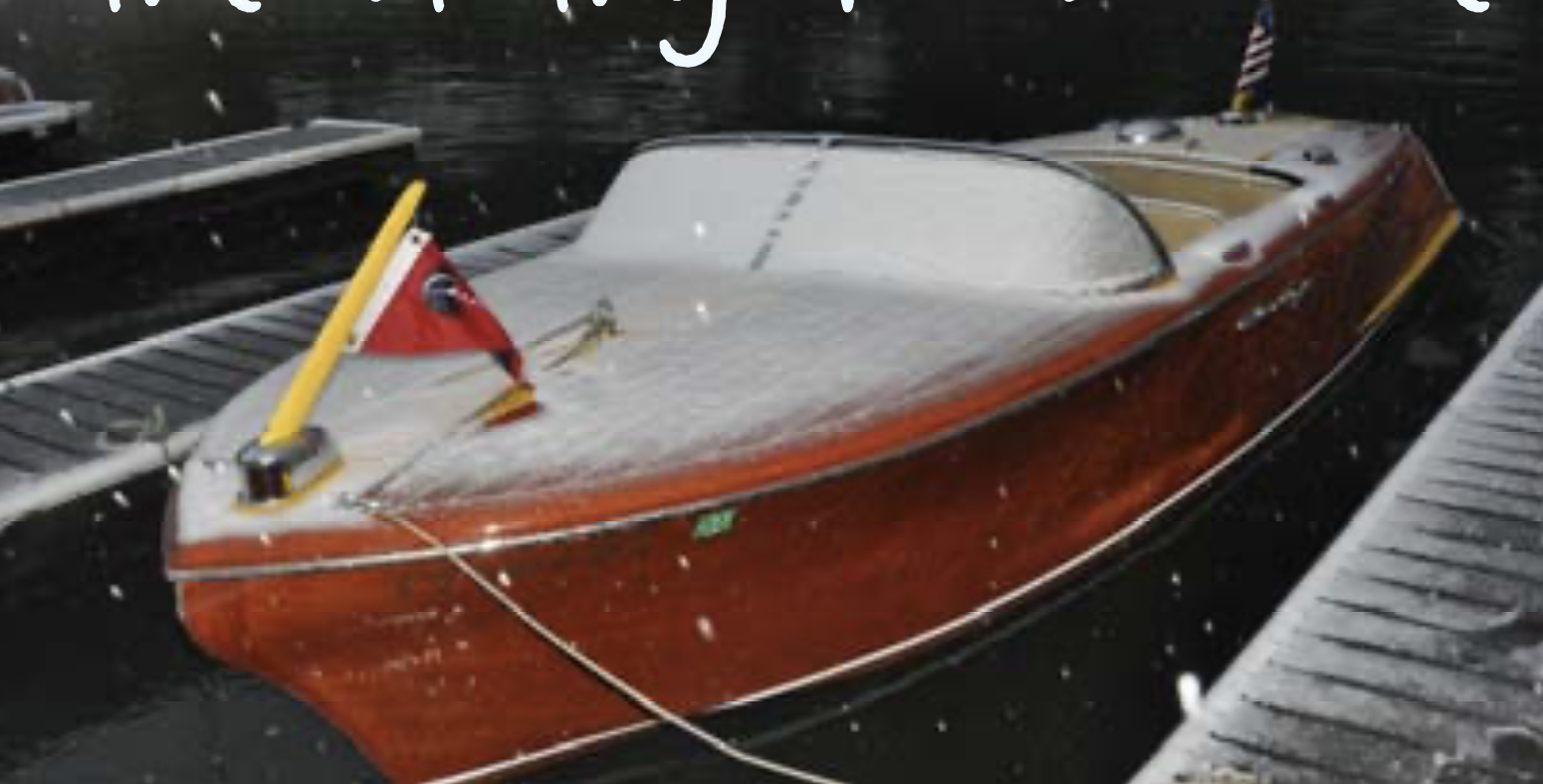
By Captain Don Leutz, Northern California / Lake Tahoe Chapter
The Boating season is over for most boaters. Boats should be winterized so that make they through the winter in good shape and are ready to be outfitted and launched in the Spring/Summer. The following are suggestions to winterize your boat. Keep in mind that many of these tips depend upon what kind of boat you have and how it will be stored in the winter. Whether the boat is stored inside or outside, how low the temperature gets in your area, etc. are all important things to remember and prepare for.
 When taking your boat out of the water for storage during the winter, be sure to clean the hull of marine growth, especially from props, shafts, rudders, struts, and trim tabs. Clean all through hull fittings and their strainers, if equipped. All sea-cocks should be opened to allow any water to drain. The entire boat should be thoroughly cleaned, including the chrome. Touch up any damaged varnish or paintwork and check for any cracks.
Fill any cracks or splits to reduce the potential for water intrusion and freezing that might make the cracks expand and widen. The most important part of winterization is servicing and winterizing the engine. If you do not have your engine and/or boat professionally winterized by your marina, or mechanic, you will want to change the engine oil and oil filter as you don’t want the dirty oil stagnating in the engine. “Fogging” the engine is also important.
Your boat battery(ies) should be removed to a dry place and should be trickle charged throughout the winter or should be recharged at least once a month.
The engine’s cooling system should be flushed and drained completely to avoid any damage from freezing temperatures. If your boat has a closed cooling system, the proper amount of fresh antifreeze should be added according to the manufacturer’s recommendations.
There appear to be two trains of thought regarding the fuel these days since most of the marina fuel in California has Ethanol in it. Some marinas like to put the boat away with a full tank of gas and others insist that the boat should be put away with a minimum of gas. In both cases, it is a good idea to add an additive and/or stabilizer to the fuel to minimize condensation and maintain the fuel over the winter.
 There are many other winterizing precautions which depends upon the type and model of your engine. You should always refer to the manufacturer’s guide or manual for the specific procedures to winterize your boat. Make sure the bilges are clean and dry before putting the boat away for the winter. Clean up any oil spills and completely drain all water systems, such as fresh water tanks, heads and holding tanks. It is also a good idea to turn the cushions on edge to allow air to circulate around them, or better yet, remove them from the boat and store in a dry environment. The same thing applies to life jackets, clothing, and sails. You may want to use commercially available odor and moisture absorbing products to help keep the boat dry and prevent mildew.
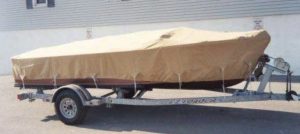
One thing to keep in mind when winterizing your boat is to use a canvas cover that will allow air to circulate. The use of plastic shrink wrapping is not recommended for a cover, especially for classic wooden boats because it does not allow the boat to breathe and circulate the air which will lead
to dry rot. Breathable canvas will allow moisture to evaporate when it is dry and the canvas will tighten up when it is wet to become water repellent. The cover should be tied down in some fashion so that it remains tight all winter, especially when stored outdoors. A custom fitted cover with adequate
venting is ideal.
It is a good idea to visit your boat regularly during the winter to be sure all is well and that the cover is still intact. Also, opening up the boat to inspect it will allow air to circulate even more. There is no substitute for ventilation!
Finally, don’t forget to winterize your boat trailer. Rinse and clean the trailer and touching up the paint will prevent rust. Don’t forget to flush the wheel bearings with fresh water and then grease with a marine grease. I have only touched upon a few of the important items necessary for winterization of your boat. Your boat may require other things that need to be done for proper winterization. Be sure to check your manufacturer’s manual or guidelines to be sure you are doing all you can to protect your boat during the winter. Or, you can consult your marina or mechanic to be sure you are correctly winterizing your boat. I would also recommend devising a checklist of winterizing procedures for your specific boat and use it before winter every
year.
Come Springtime, your boat will return the care you have given it and give you a season of wonderful boating. See you on the Water!
Originally printed in the Fall 2017 issue of Western Wood, the Northern California/Lake Tahoe ACBS Chapter newsletter.