
By Captain Don Leutz, Northern California/Lake Tahoe Chapter
Technically, the term “Flotsam” has a specific meaning under maritime law. “Flotsam” is defined as debris in the water that was not deliberately thrown overboard, often as a result of a shipwreck or accident. For the purposes of this article, and for the lack of a better term, I am going to stretch the meaning to include any floating debris.
Over the last several years of drought, the water level of Lake Tahoe, other reservoirs and rivers has gone down. During that time, there have been numerous trees, branches, picnic debris, and other things that have fallen or left around the various bodies of water. In addition, heavy rainfall has washed debris into streams and down to the lakes. Most bodies of water end up with lots of debris that washes from the shore and streams. As the waters reach their peak this summer, these items may become dislodged and float into the body of water. Some of the items will become waterlogged and become somewhat, if not all the way, submerged causing a hazard for boaters.
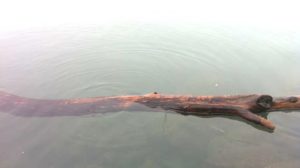 Boaters need to be vigilant about keeping a lookout for the various floating debris that they might encounter at any time. Striking a submerged object, (which includes running aground), is one of the most common insurance claims for boaters. Even in good visibility, logs and branches, etc. are difficult to see.
Watching for irregularities on the surface of the water might signify dangerous debris. Should you see such irregularities, or actually see a floating log or other debris, cut your engine immediately, or make a sharp turn to avoid hitting the object, but be careful not to turn so sharp that the stern of your boat swings into the object that you were trying to avoid.
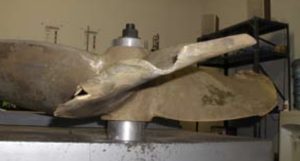
Should you actually hit something there might be severe damage to your boat and the safety of your passengers. Cut your engine and take a deep breath and assess the situation. Check the bilge for any sign of leakage. If possible, check the prop for damage. If everything appears to be O.K. you can start the engine and try to determine if everything is operating correctly by watching the temperature gauge to be sure the engine is not overheating, as well as watching the other gauges to be sure the engine is operating within specifications. Also, listen to the sound of the engine and the boat underway to determine whether there is any difference in the “normal” sounds.
 Another issue to be alert for is possible changes in the bottom of the body of water. The bottom dirt or sand may have shifted causing a shallow spot where there was none before. Or, debris can build up on the bottom in a particular area, causing an unsafe passage for a boat.
Be aware of old pilings that may have been seen during the drought years which could now be submerged with the increase in water level. Debris can also be trapped or lodge against docks and pilings. Drifting trees and large timbers may be grounded in shallow areas and might not be seen if submerged.
While the outlook for a great boating season is upon us, be safe and on the lookout for “Floatsam.”
For more information on Safe Boating, visit: www.uscgboating.org.
See you on the Lake!
Originally printed in the Winter 2017 issue of Western Wood, the Northern California/Lake Tahoe ACBS Chapter’s newsletter.
Great tips and reminders for safer boating. Lakes I use most often are surrounded by trees. On a beautiful boating day, the excitement often causes the occasional boater to forget to be ever vigilant looking for the submerged debris still lurking from the previous week’s storm.