
By Don Leutz, Northern California/Lake Tahoe ACBS Chapter
When a boating disaster strikes, you need to be ready. Sometimes, that means you must abandon ship due to a collision, fire, sinking or some other
cause. A “Ditch Bag” or Abandon Ship Bag has long been an important piece of equipment for boaters to have on board, especially when traveling in the open sea. However, even while on a calm lake or inland water way a serious problem can occur with your boat or the weather which might necessitate an “Abandon Ship.”
 Ditch Bags are compact floating bags designed to hold critical items that you might need in an Abandon Ship emergency. The primary purpose of a Ditch Bag is to carry devices that help you communicate with and be seen by rescuers. With a pre-prepared Ditch Bag, a boater can easily and safely leave the boat quickly in an emergency and have the satisfaction of knowing that the Ditch Bag contains all of the important items needed to survive and speed their rescue.
I would suggest that you first start by purchasing a bag specifically made for the purpose. They are generally waterproof and will float. There are numerous companies that sell such “Ditch Bags” (search for “Ditch Bag” online) and most have numerous pockets and pouches to keep items safe and organized for quick retrieval. The bag should be pre-packed so that is it always ready to “grab and go.”
While there are many items that could be put in the Ditch Bag, here are some of the essential items recommended.
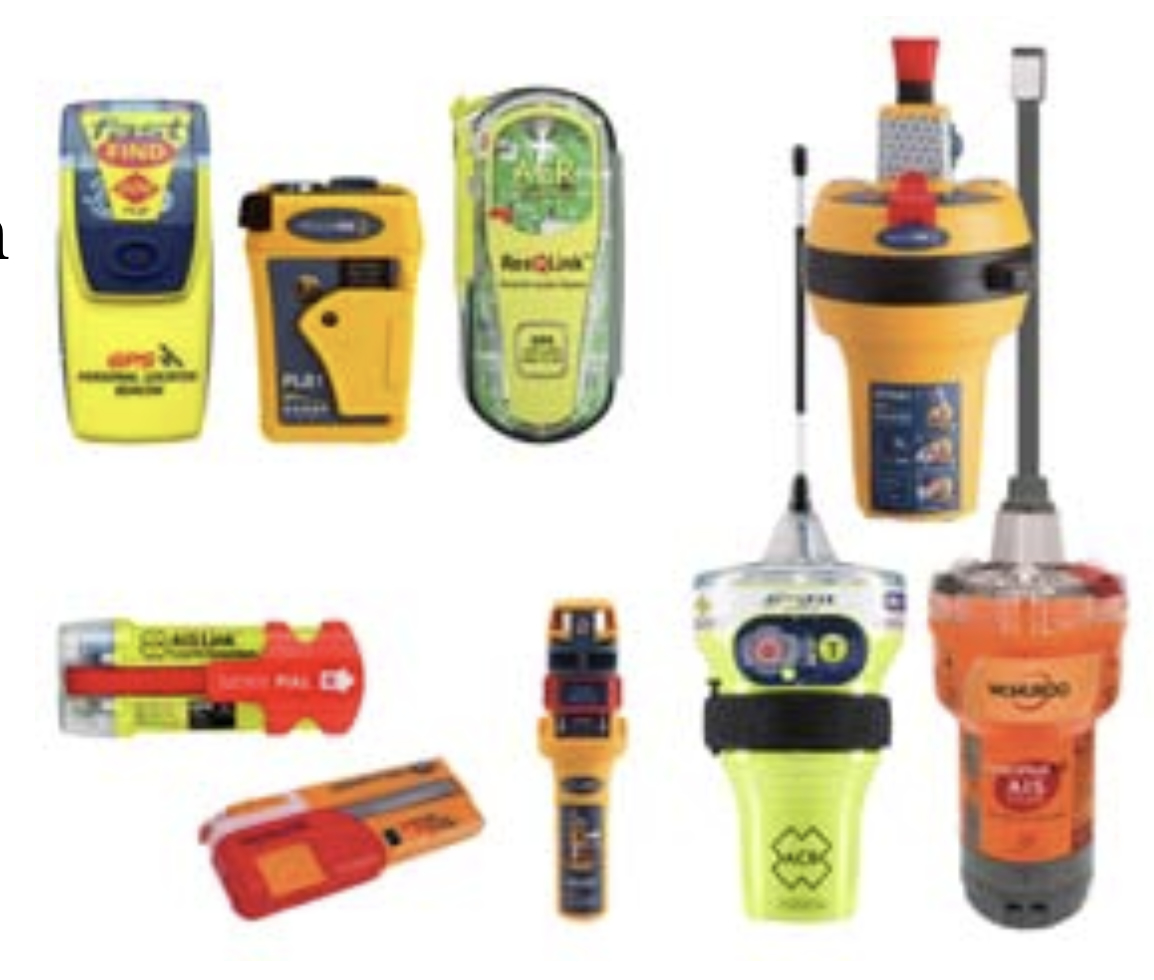
• EPIRB – Emergency Positioning Indicating Radio Beacon which can notify Coast Guard and local search and rescue teams of your emergency and provide your GPS position. Or, if an EPIRB is not available, a PLB – Personal Locator Beacon.
• Emergency Handheld VHF Radio – one that floats and is waterproof. A cell phone will also come in handy, especially for lake and near shore cruising.
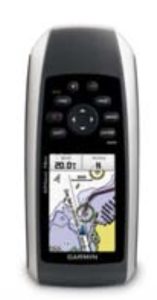
• Handheld GPS – waterproof and floating unit preferably which gives boaters the ability to pinpoint and report their position with ten-foot accuracy.
• Emergency Lights – specialized lights designed to help rescuers spot victims. Some lights are combo lights with a strobe light and flashlight built in. Many activate automatically in water. Solas Grade Flares are preferred because they can be seen for the greatest distance.
• Low tech devices such as a compass, signal mirror, whistle, other noise making devices, chemical glow sticks, reflective tape, etc.
• Survival Supplies such as drinking water packets, duct tape, sunglasses, sunscreen, hat, Wet Ones Hand Wipes or hand sanitizer, food packets, knife, flashlight, cord, zip ties
• First Aid Kit, Space Blanket
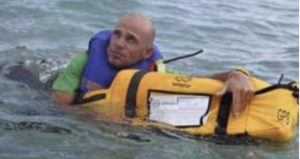 Every Ditch Bag should also include a tether with a clip that enables you to secure the bag to yourself or to a life raft so that it does not drift away with the current or wind.
Keep in mind that your Ditch Bag needs to be maintained in order to be ready to go. Check to be sure the batteries are fresh and be sure any flares are not out of date. Also, check the dates on your water and food packets to be sure they have not expired.
There is no such thing as a one-size-fits-all Ditch Bag. Everyone is different, and every boating experience is different. For example, offshore cruising would necessitate additional items be put in the Ditch Bag. For other types of cruising one may not need every item listed in their Ditch Bag.
However, good seamanship means being prepared for all circumstances. A Ditch Bag set up and maintained properly is an essential part of that good seamanship.
For more information on Safe Boating, visit: www.uscgboating.org.
See you on the Water!
Originally published in the Fall 2018 issue of Western Wood, the member magazine for the Northern California/Lake Tahoe ACBS Chapter